
Optimal Timing for Concrete Installation
Concrete installation timing depends on climate conditions, temperature, and humidity. Optimal conditions typically occur during mild weather, avoiding extreme heat or cold. Proper timing ensures durability and reduces the risk of cracking or setting issues.
Concrete sets best when temperatures are between 50°F and 85°F. Temperatures outside this range can affect curing and strength.
Spring and fall often offer favorable conditions for concrete work, with moderate temperatures and less precipitation.
Avoid installation during rain, snow, or extreme heat to prevent delays and ensure proper curing.
Proper curing requires consistent moisture and temperature, which are easier to maintain in mild weather.
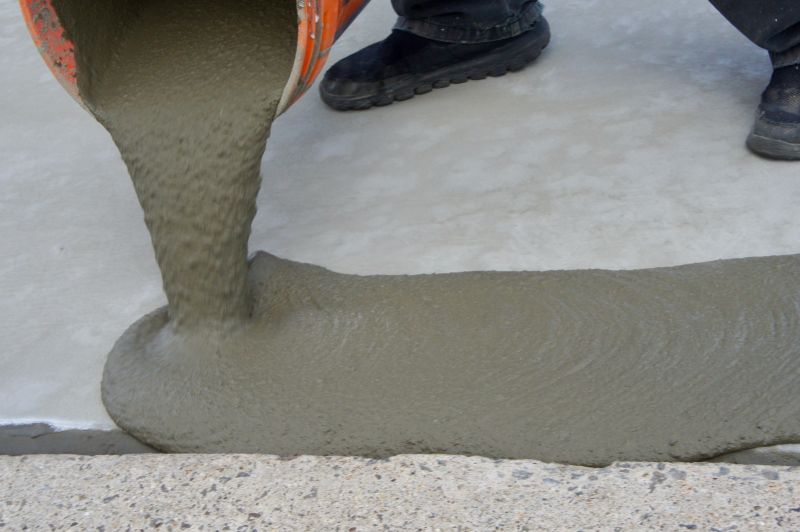
Ways to make Concrete Installations work in tight or awkward layouts.
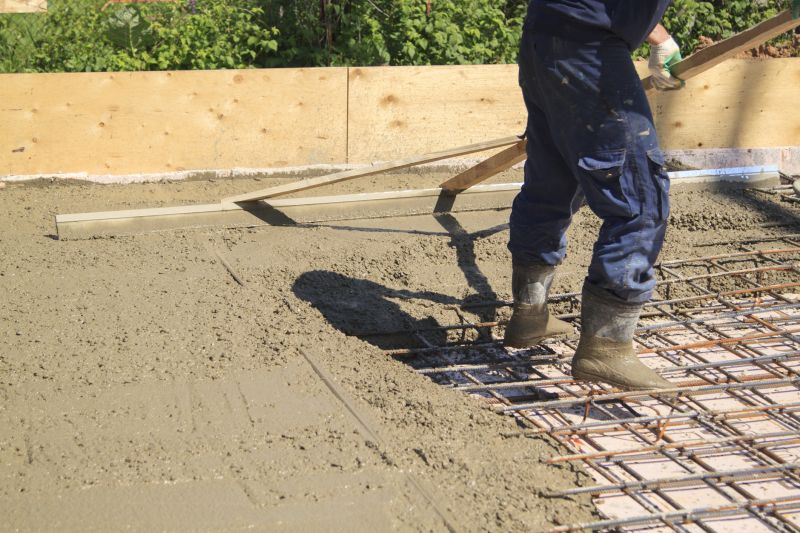
Popular materials for Concrete Installations and why they hold up over time.
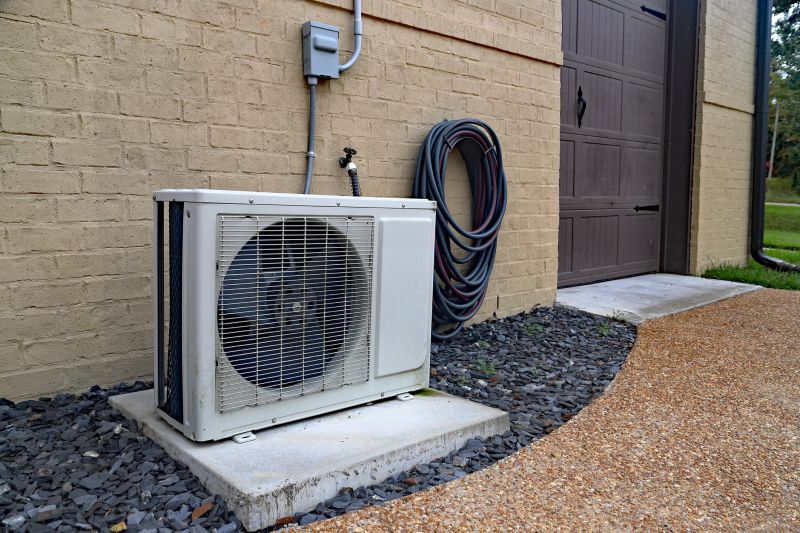
Simple add-ons that improve Concrete Installations without blowing the budget.
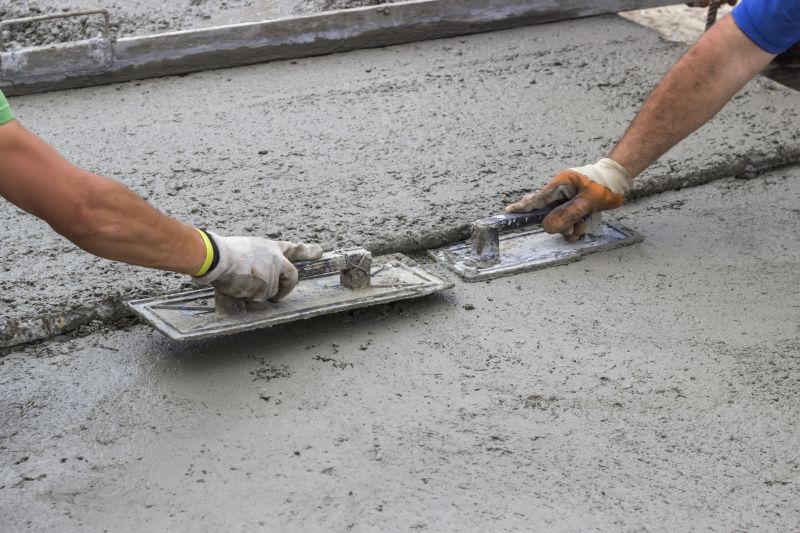
High-end options that actually feel worth it for Concrete Installations.
Concrete installations are a fundamental aspect of construction projects, providing durable and versatile surfaces for various applications. Proper timing is crucial to ensure the longevity and strength of the concrete. Weather conditions significantly influence the curing process, which is vital for achieving optimal results. In regions with fluctuating temperatures, scheduling concrete work during periods of stable, mild weather can prevent issues such as cracking, scaling, or uneven setting.

Finishes and colors that play nicely with Concrete Installations.

Little measurements that prevent headaches on Concrete Installations day.
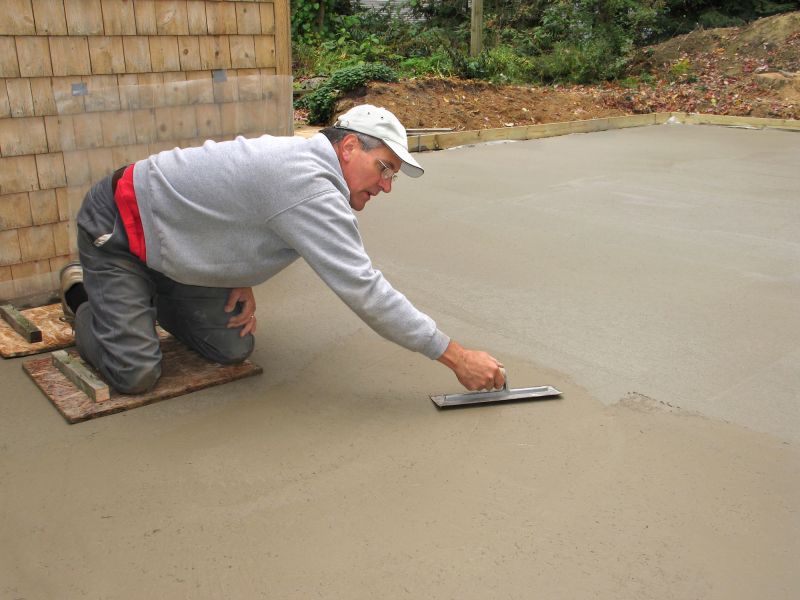
A 60-second routine that keeps Concrete Installations looking new.
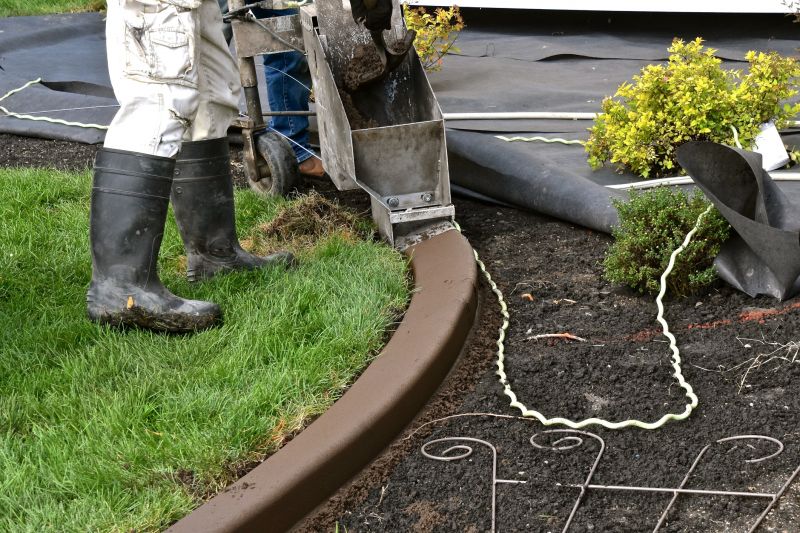
A frequent mistake in Concrete Installations and how to dodge it.
| Season | Optimal Conditions |
|---|---|
| Spring | Moderate temperatures, less rain, ideal for curing and setting. |
| Summer | Early morning or late evening work recommended to avoid heat. |
| Fall | Cool temperatures and dry weather promote proper curing. |
| Winter | Not recommended unless heated enclosures or additives are used. |
| Late Spring/Early Fall | Best windows for scheduling concrete projects. |
Choosing the right time for concrete installation can significantly impact the project’s success. Proper planning around seasonal weather patterns ensures the concrete cures correctly, achieving the desired strength and durability. Consulting with local contractors can help identify the most suitable periods for specific project requirements, especially in regions with variable climate conditions.
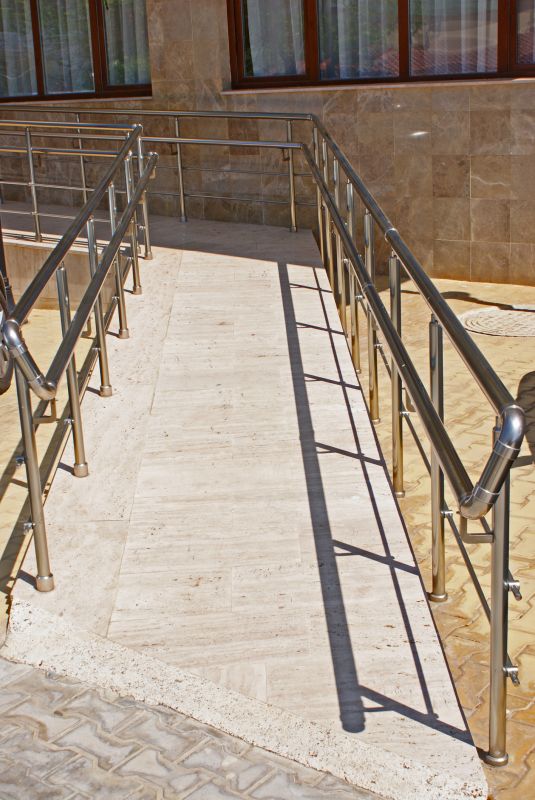
Small tweaks to make Concrete Installations safer and easier to use.
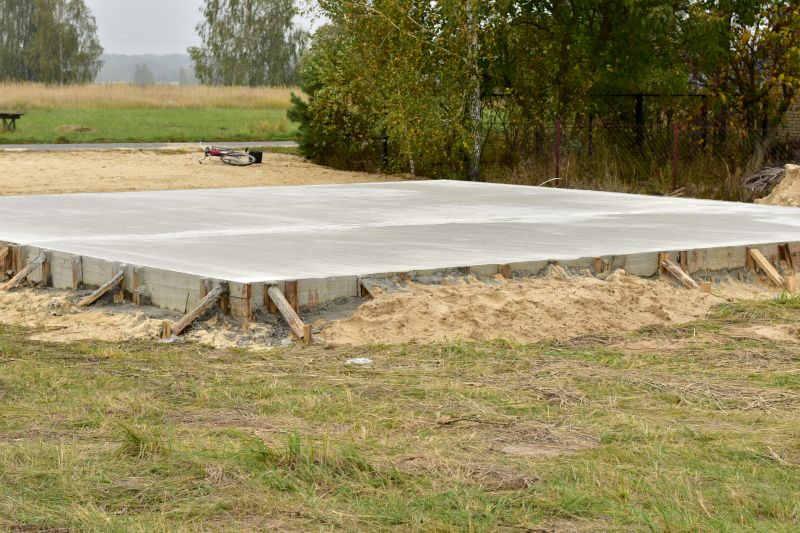
Lower-waste or water-saving choices for Concrete Installations.
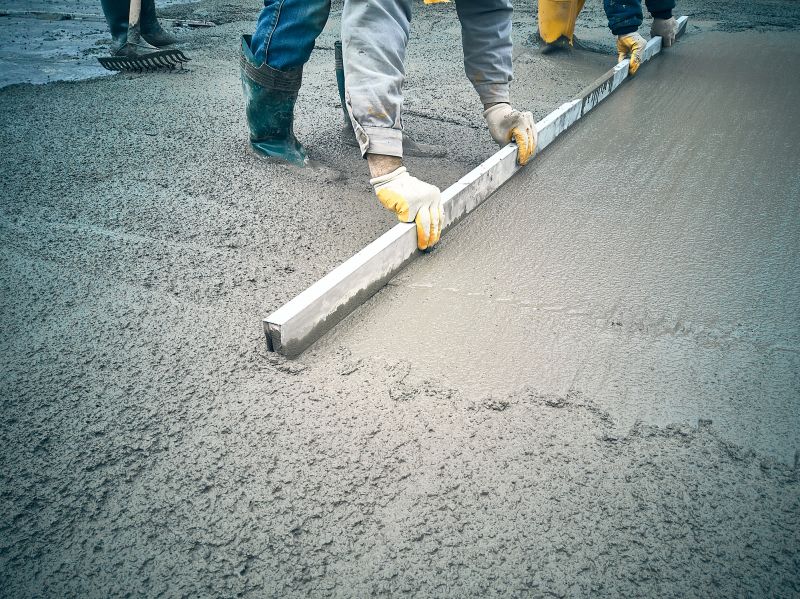
The short, realistic tool list for quality Concrete Installations.
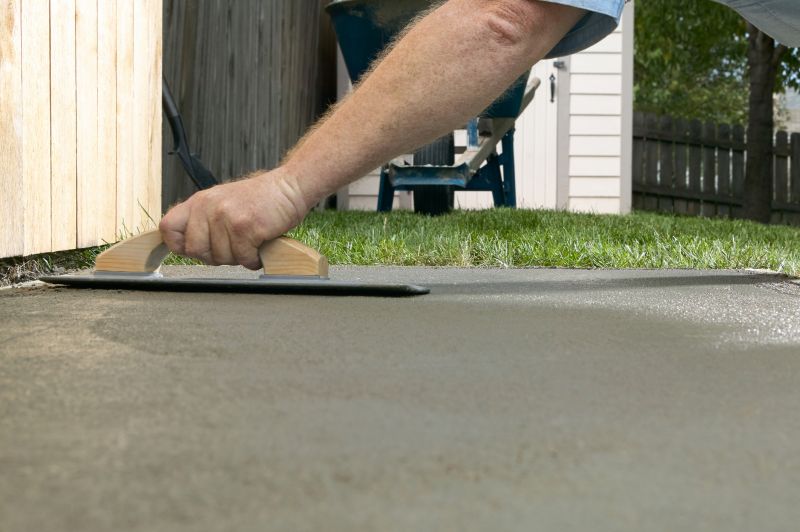
Rough timing from prep to clean-up for Concrete Installations.
Interested parties are encouraged to contact for more information on scheduling concrete installations. Proper timing and planning can ensure the project meets quality standards and durability expectations, leading to successful and long-lasting results.